Things to Consider Before Becoming a Mentor
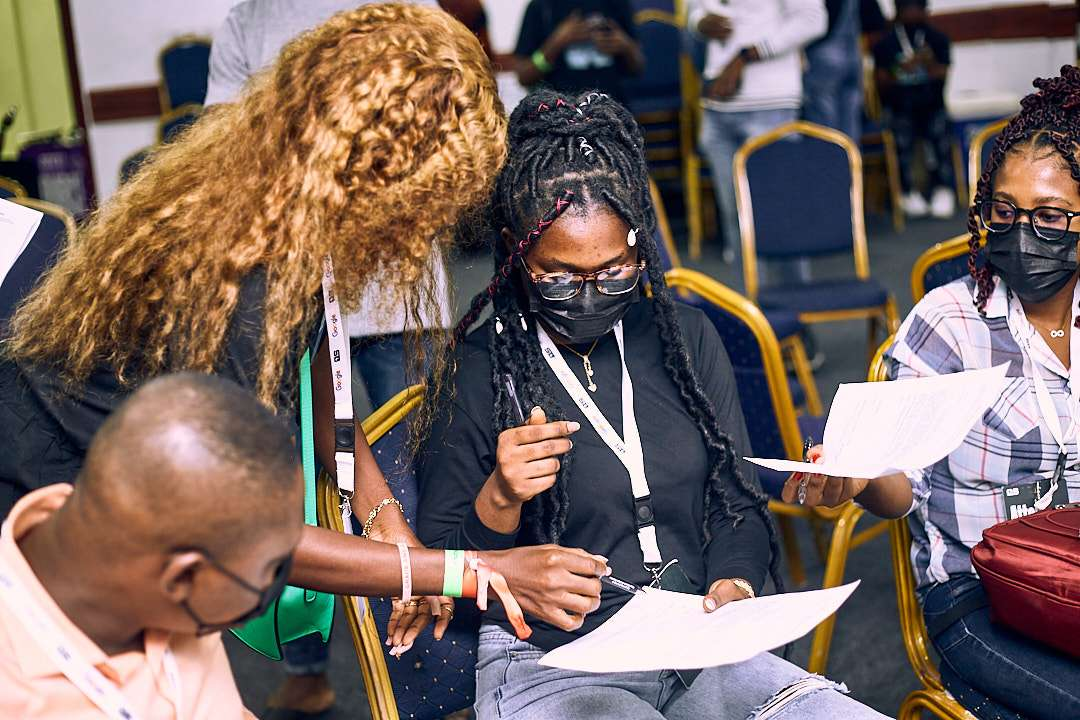
Welcome to mentor learning path! If you're here, you're an experienced contributor, and now you're either being asked to become a mentor or you wonder whether you should become one. Maybe you've been mentored in the past and want to transform someone's life the same way a mentor transformed yours; maybe something in your life or work made you think about how you can employ your skills and knowledge to help others.
In any case, if you maintain an open project, offering an open mentorship opportunity may be what you're looking for. But before you start planning one, there are a couple of things you need to consider.
Is being a mentor a good fit for you?
As you may recall from the chapter Taxonomy of Open Mentorships, we observe several different models and modalities in open mentorships:
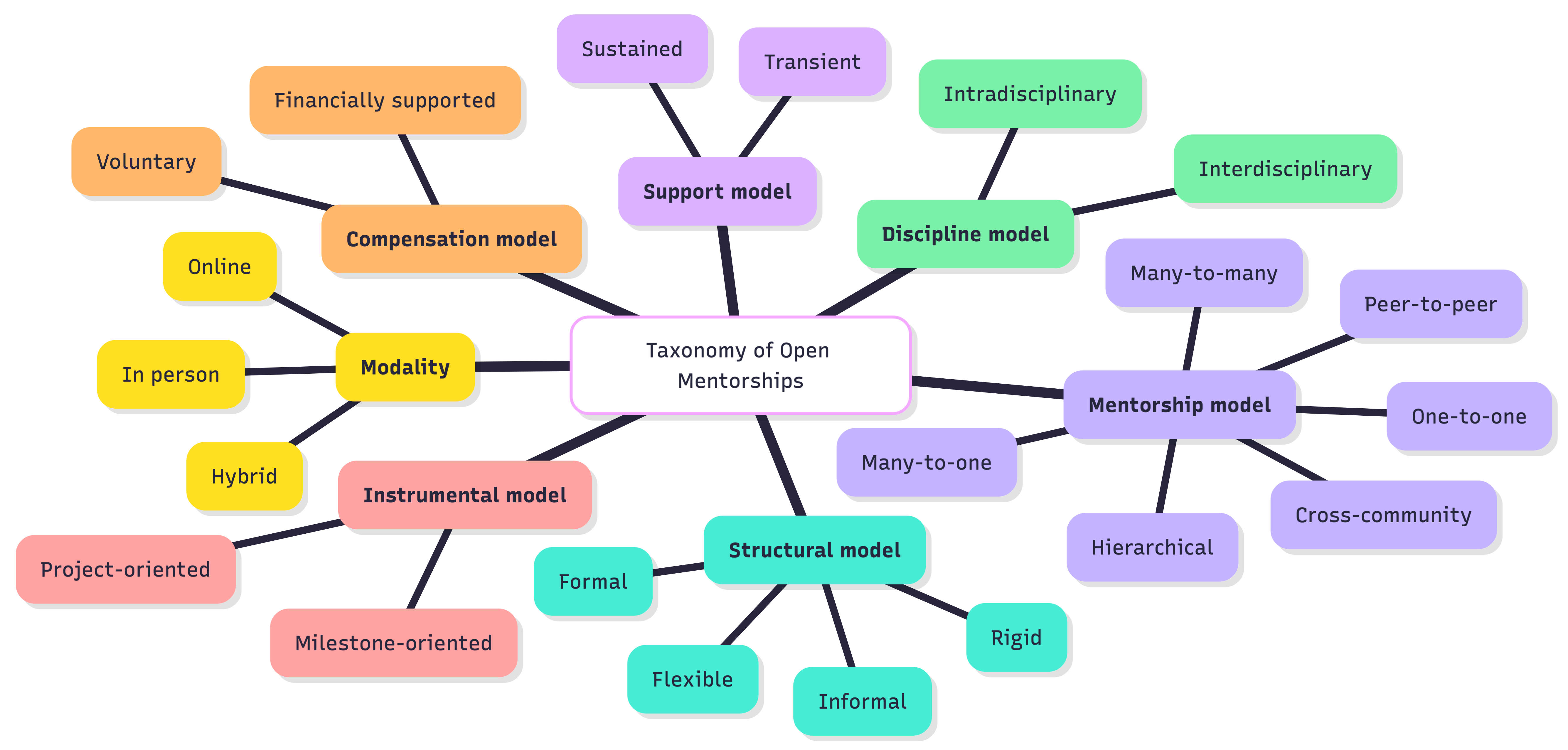
In order to determine what kind of open mentorship opportunity you may offer or participate in — or if mentoring is a good fit for you —, we recommend you to go through a self-reflection process and evaluate your ambitions, abilities and availability by answering the following questions:
- What are your goals as a mentor? For example, do you want to train someone to co-maintain the project with you?
- What do you need to offer an open mentorship opportunity? What kind of support or structure?
- What are your strengths as a mentor? For example, are you confident in your abilities to explain the context and concepts of your open project? Are you patient? Can you connect your potential mentee to several people in your community?
- What are your weaknesses as a mentor? For example, do you take too many hours or days to reply to messages?
- What options do you have to remediate your weaknesses? For example, can you bring in another person to mentor your potential mentee?
- What are your current time commitments?
- How much time can you fully commit to mentor someone?
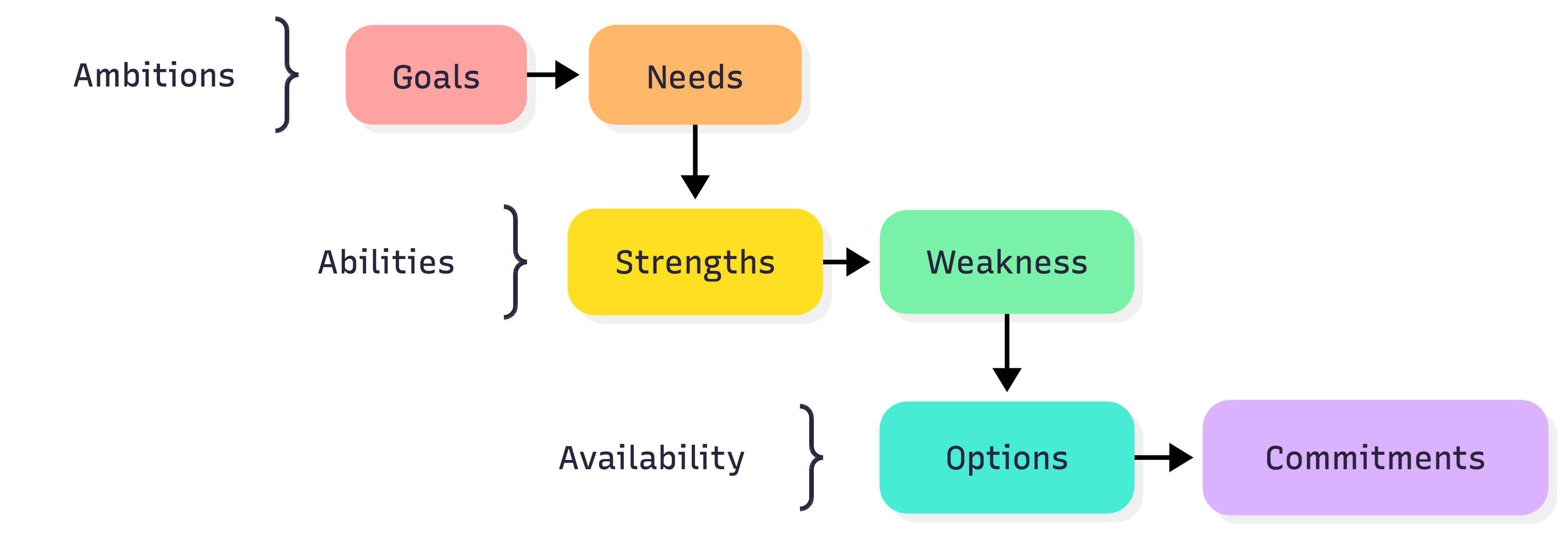
Our AAA Self-Orientation Framework
If you're interested in becoming a mentor under an open mentorship program, note that different programs may have different availability requirements and different stages of the program may require more of your attention. For example, Outreachy tells mentors they should expect to spend five to ten hours per week during the application period and at least five hours per week during the internship itself.
Power dynamics and safeguarding
Open mentorships often come with some power imbalance: the mentor knows more about the community and the project. They often have a say in whether a mentee's work is accepted, whether they receive positive references, and whether their project is considered successful.
That doesn't make open mentorships inherently problematic. It makes mentorship political, as those with less power are more exposed to stakes and interests. Good mentors are aware of this and actively strive to counteract it. They don't use access and information as leverage, consciously or otherwise.
We recommend familiarizing yourself with the practice of safeguarding and embedding it in your mentorship practice — not exclusively, but especially if you're mentoring marginalized and vulnerable populations. Safeguarding is about preventing and reducing harm to all parts involved with our work. UNICEF's safeguarding policy and safeguarding implementation guidelines are great places to start learning about it.
What kind of mentoring relationship is best for you?
To narrow down what type of open mentorship to offer, ask yourself:
-
Would you like to offer it under a formal structure — that is, a program or organization — or are you be happy to consider an informal mentoring relationship?
-
Do you need a rigid mentorship structure to thrive (i.e. with a pre-determined timeline following a specific script) or would you flourish with a more flexible mentoring relationship (i.e. you and your mentee can figure out how to structure it)?
-
Would you like your mentee to receive financial support while working under a mentorship? Would you, as a mentor, want to receive some kind of financial support as well?
-
Would you like to support someone through a specific transitional stage, or would you like your mentoring relationship to be sustained through multiple stages of a mentee's life or career?
-
Would you offer support across multiple disciplines or skills (e.g. community management and versioning systems) or with just one discipline or skill (e.g. programming)?
-
Would you like to work as their only mentor or with multiple mentors? Would you like to mentor someone who's less experienced than you (i.e. hierarchical mentoring)? Are you open to working with people in the same skill level as you (i.e. peer-to-peer mentoring)? Would you like to collaborate with a different community or project (i.e. cross-community mentoring)?
-
Would you like them to work on a specific project, or do you prefer structuring your mentorship opportunity around reaching specific milestones?
- Would you like the activities to take place in-person, online or a mix of both?
Remember that (1) you'll have the chance to experiment with different formats at different stages of life and career (2) the best type of open mentorship for you at a given moment may vary due to life and career circumstances. But if you don't have enough time to commit to mentor someone, consider offering your expertise to mentee-mentor pairs as a facilitator.
Checklist: Before becoming a mentor
- Define your goals as a mentor
- Create an action plan
- List your strengths and weaknesses
- List your options
- List your time commitments
- Establish your level of commitment
- Evaluate whether you want and can become a mentor
- Evaluate which mentorship style fits you best
In the next chapter
- Learn what may be expected from mentors in formal and informal open mentorship relationships
- Discover what type of open mentorship relationship is best for you!