Looking for an Open Mentorship Opportunity
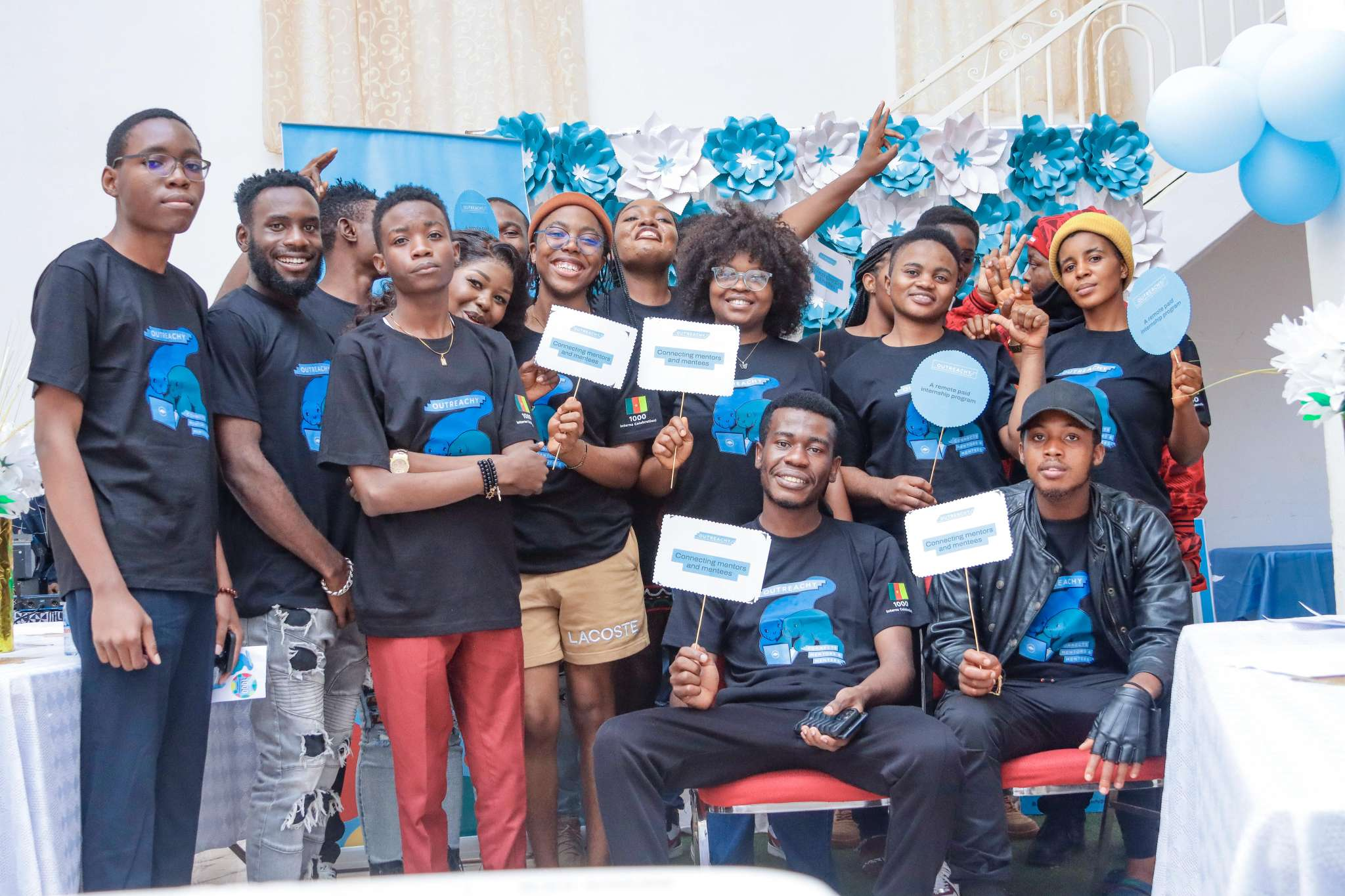
Formal open mentorships
Formal open mentorships are commonly offered through open mentorship programs. While Google Summer of Code presented the format of 12-week mentorships and several programs such as Outreachy follow similar formats, other programs may offer mentoring opportunities ranging from 6 months to a year. For example, as of 2026, Google Summer of Code allows different mentorship durations according to the size of their scope. Larger projects may take up to 22 weeks to be completed.
Formal open mentorships are often rigid: they follow a pre-determined timeline and present a series of preconceived tasks or activities that both mentors and mentees are expected to complete. They're also frequently project-oriented rather than milestone-oriented.
You may hear such opportunities being called different things: internships, fellowships, scholarships. The usage of those terms may come with different expectations:
- Internships are geared towards newcomers or junior professionals
- Fellowships may expect applicants with more years of experience
- Scholarships may have educational connotations
What programs may choose to call their open mentorship opportunities depends on legal, financial, professional and cultural expectations.
Formal open mentorships are frequently offered seasonally. For example, Google Summer of Code activities take place during the summer months of the nothern hemisphere. Outreachy, on the other hand, offers internships during the summer of both hemispheres. That tradition comes from the expectation that students may look for temporary jobs during their summer break. Other programs may follow different schedules or formats.
While several of the programs we've mentioned are offered online, you may find formal open mentorships being offered at in-person conferences in a Hackathon or Birds of a Feather (BoF) track. Being paired with a geographically closer mentor may increase your chances at having a hybrid experience.
You should consider a formal open mentorship if
- You can commit up to 8 hours/day or up to 40 hours/week to your open mentorship. Several programs offering formal open mentorships expect a higher level of commitment to programmatic activities. In exchange, such programs usually offer financial support.
- You want to list your mentorship experience as professional or educational experience. Formal open mentorship programs usually issue certificates or letters of participation attesting your successful completion.
- You're committed to abiding to program requirements. Some programs, such as Outreachy, may have special time commitment requirements. Such requirements were established to give mentees the best chance possible at success.
Advantages of formal open mentorships
- Structured support from collectives and organizers. As formal open mentorships are offered seasonally and each program has its own schedule and set of policies, collectives work to increase their support capacity and designate collective representatives (often called coordinators) to ensure adherence to program rules. They're supported by program organizers, responsible for structuring and monitoring all open mentorship activities. Both groups are invested in the success of your open mentoring relationship.
- A structured opportunity to either work on a external project or develop your own. Defining timelines, expected outputs and courses of action for project-oriented open mentorships may easier for you if this is your first open mentorship experience.
- Proven experience with different projects, fields or skills on a shorter term. Traditional internships may last 1 to 2 years, and traditional jobs have a higher professional commitment expectation. Formal open mentorships are often transient with an expected end date. If you like the direction you're taking with it, you can always invest more of your time after it ends. But if your experience wasn't what you expected or you learn about another direction you'd rather go, you have the flexibility to create another plan for you.
Success story: Anna e só and Outreachy
Anna e só was a Mechanical Engineering undergraduate student with no prior professional experience in tech when they heard about Outreachy for the first time through a lightning talk by Ana Rute in early 2017. The program intrigued them as they knew a lot about open source and had just submitted their very first pull request: translating Mastodon's interface into Brazilian Portuguese. Anna wasn't happy as a Mechanical Engineering student, but they weren't sure if they could thrive in another field. Outreachy looked like a good opportunity to see if they would. But since they were a student in the southern hemisphere, they had to wait to apply to a December cohort.
They applied to the December 2017 cohort to work on technical writing, internationalization and localization project with the Wikimedia community. They were accepted among 41 brilliant interns. Their positive internship experience with Outreachy from December 2017 to March 2018 validated some of their feelings about their career choices back then: Anna's felt her abilities would be better employed in the information technology field. That three-month experience encouraged them to pursue a degree in Information Systems and build a career as an open source leader. Today, Anna is the lead program manager of Outreachy.
Informal open mentorships
As informal open mentorships are not linked to any official or formal structure, we observe that such opportunities more dependent on a potential mentee's social and networking abilities. While you may find them being explicitly offered under specific issues on a project's repository or on social media platforms, informal open mentoring relationships are often forged naturally after meeting someone at a conference, having your work noticed by a more senior contributor or through several positive experiences in a specific professor's courses.
Informal open mentorships are flexible (i.e. don't follow a pre-determined format) and sustained (i.e. don't have an expected end date). While they can be both project-oriented or milestone-oriented, we've observed that informal open mentorships are often centered around a mentee's milestones. The modality of such open mentoring relationships depends on geographic proximity.
You should consider an informal open mentorship if
- You can't commit several hours a week to your open mentorship or can't abide to formal mentorship program requirements. The flexible nature of informal open mentorship relationships allow you to set specific commitment expectations directly with your mentor.
- You're comfortable with the idea of being entirely in control of your own match-making. Informal open mentorships require significant effort from mentees to pick an appropriate mentor. Formal open mentorship programs typically screen or filter associated mentors, and they're committed to safeguarding practices; informal open mentorships require more trust and diligence from mentees. We recommend looking for mentors in trusted communities.
Advantages of informal open mentorships
Operating outside a formal structure can be both a strength or a weakness of this type of open mentorship. They may require more energy from both you and your mentor to keep your open mentorship going. In a moment where one or both of you may need to prioritize other things in life, your mentoring relationship may fizzle out. However, that flexibility allows you to:
- Create a personalized timeline and/or action plan. As informal open mentorships are more flexible than their formal counterpart, you can build the best strategy for your own development alongside your mentor.
- Change focus or strategy whenever needed. If you or your mentor realize it would be best for you to head to a different direction, you both can come up with a plan to change course.
In the next chapter
- Learn how to craft an application to an open mentorship opportunity or build your own with an informal mentor!